Indigenous Hub – Heritage Restoration
Nominee for Paul Oberman Award for Adaptive Reuse – Large Scale
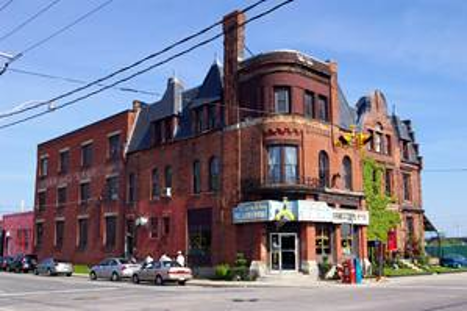
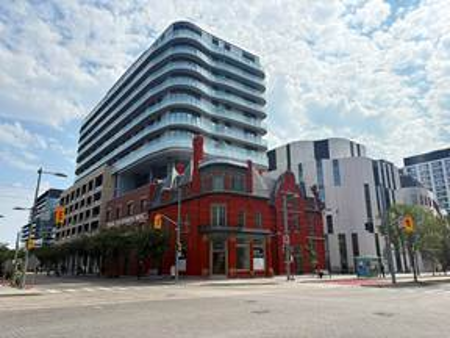
The Canary District Indigenous Hub / Canary House project represents an exceptional example of heritage conservation through meaningful adaptive reuse of one of Toronto’s oldest surviving institutional buildings. Originally constructed in 1859 as the Palace Street School, designed by architect Joseph Sheard and later expanded by architect William Irving, the building has evolved through more than 165 years of changing uses, including a school, hotel, industrial facility, and restaurant. The project successfully preserved the building’s layered history while transforming it into a new Indigenous Hub that provides a meaningful cultural and community purpose within the Canary District. Extensive conservation work preserved significant heritage elements, including masonry, stone detailing, wood cornices, windows, doors, architectural features, and interior elements.
Through careful documentation, heritage elements were catalogued and dismantled where required, salvaged, repaired, and reinstated wherever feasible. Skilled trades employed specialized conservation techniques and compatible materials to maintain the authenticity and craftsmanship of the original construction.
The project balanced modern requirements with the retention of character-defining elements. The result is a successful example of how adaptive reuse can extend the life of a historic building while creating a culturally significant space for future generations.
The Indigenous Hub demonstrates that heritage conservation is not only about preserving the past, but about allowing historic places to continue serving communities in meaningful new ways.