Potters Field Project – Ingersoll
Nominee for an ACO Public Education and Advocacy Award
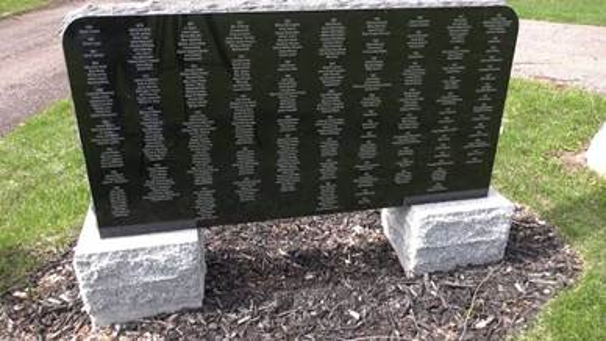
The Potter’s Field Project is nominated for the ACO Education and Advocacy Award for its profound impact on community memory, ethical heritage preservation, and social justice. From 1864 to 1976, over 400 of Ingersoll’s most vulnerable citizens—including impoverished immigrants, freedom seekers, and British Home Children—were interred in the Ingersoll Rural Cemetery without markers, effectively erasing them from history. This collaborative initiative between Western University, the Oxford County Library, and the Ingersoll Rural Cemetery Board successfully restored dignity to these forgotten individuals. Using entirely non-invasive archaeological technologies and digitized archival records, the research team identified nearly 400 individuals without disturbing the earth. Beyond its technical success, the project launched a vital public education campaign, hosting community dialogues that connected historical systemic poverty to modern social challenges. The initiative culminated in the installation of a permanent monument bearing the names of the deceased, transforming a neglected plot of land into a sacred site of reflection. The Potter’s Field Project exemplifies how heritage advocacy can rectify historical injustices, foster deep empathy, and ensure that every community member, regardless of socioeconomic status, is remembered with dignity.
A cornerstone of the Potter’s Field Project’s advocacy was its ethical, evidence-based methodology. Led by Dr. Cody Groat, Assistant Professor of History and Indigenous Studies at Western University, the research team proved that historical unmarking could be rectified without disturbing the dignity of the buried. The project relied entirely on non-invasive imaging techniques—including geophysical and remote sensing technologies—to locate the burial sites without exhumation. Simultaneously, the Oxford County Library and Archives retrieved and digitized the cemetery’s historical burial logs. By matching these records with soil mapping, the team successfully compiled a comprehensive register of those interred in the field. This rigorous documentation shattered the myth that unmarked grave research must be destructive, setting a new academic and ethical standard for heritage preservation in Ontario.