Amherstburg Freedom Museum
Recipient of the ACO Public Education and Engagement Award
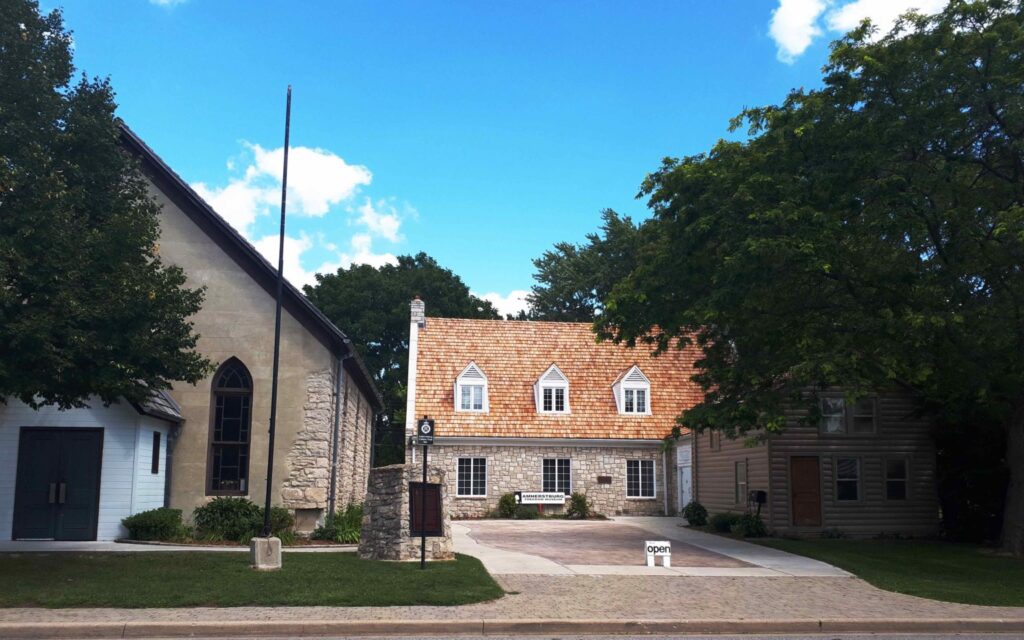
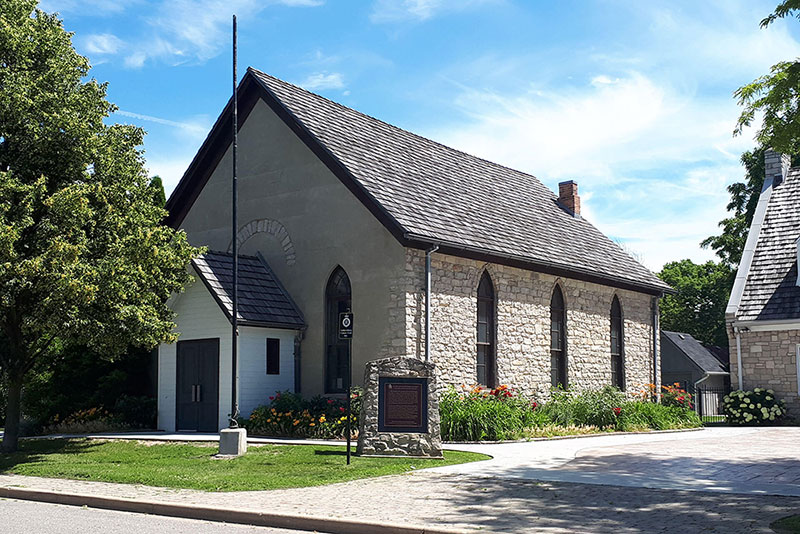
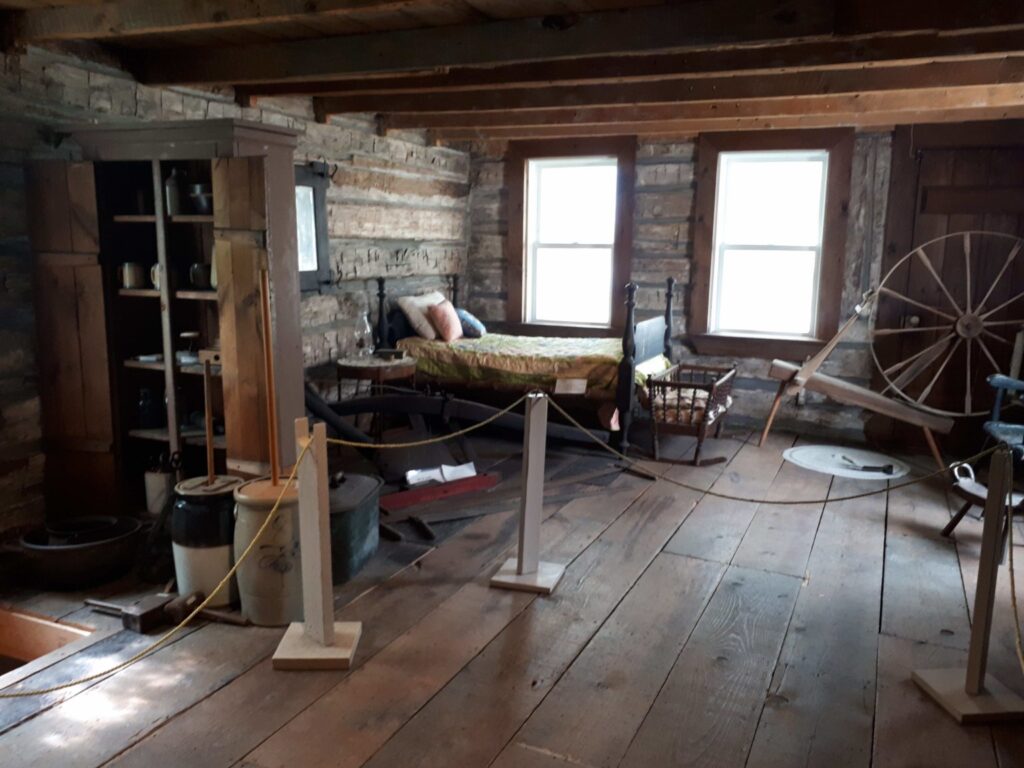
For fifty years, the Amherstburg Freedom Museum has stood as a beacon of truth, resilience, and remembrance in the historical and cultural landscape of Ontario. Founded in 1975 by passionate descendants of African Canadians, this remarkable institution honors the legacy of freedom seekers who found refuge and built new lives in the Amherstburg area—a critical terminus of the Underground Railroad and across Canada. The museum’s landscape is much more than its physical surroundings. It encompasses the spirit of heritage preserved through the Nazrey A.M.E. Church, a National Historic Site, and the Taylor Log Cabin—testaments to Black perseverance, faith, and self-determination. Together, these heritage buildings and the museum’s curatorial work form a living cultural archive that continues to educate, inspire, and engage.
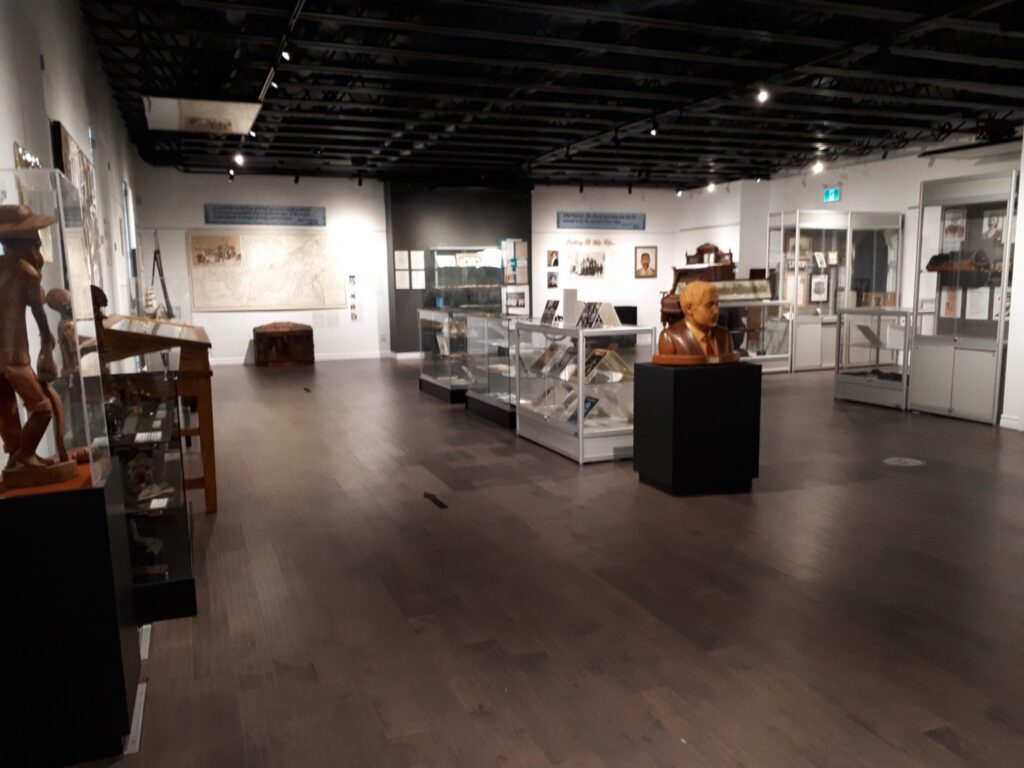
Through decades of exhibitions, storytelling, and community-led initiatives, the Amherstburg Freedom Museum has profoundly shaped public understanding of Black Canadian history. Its outdoor commemorative spaces—including the beautifully maintained grounds and interpretive signage—invite reflection and learning beyond its walls. The museum landscape also serves as a venue for cross-generational programming, heritage events, and cultural exchanges, reinforcing its role as a communal sanctuary and educational haven. The museum has played a role in groundbreaking research and exhibitions including “Sites of Memory: The Amherstburg Freedom Museum and Henry Bibb”, which was part of Huron University’s Phantoms 2020 community-based research initiative and “Beyond the Underground Railroad: A History of Black Settlement in Nineteenth Century Amherstburg”, developed by the University of Windsor. As the museum marks its 50th year, it has not only preserved an invaluable heritage landscape but cultivated a cultural legacy that reverberates across Canada.
.
.
.